
Do I need permits for filming in Uganda?
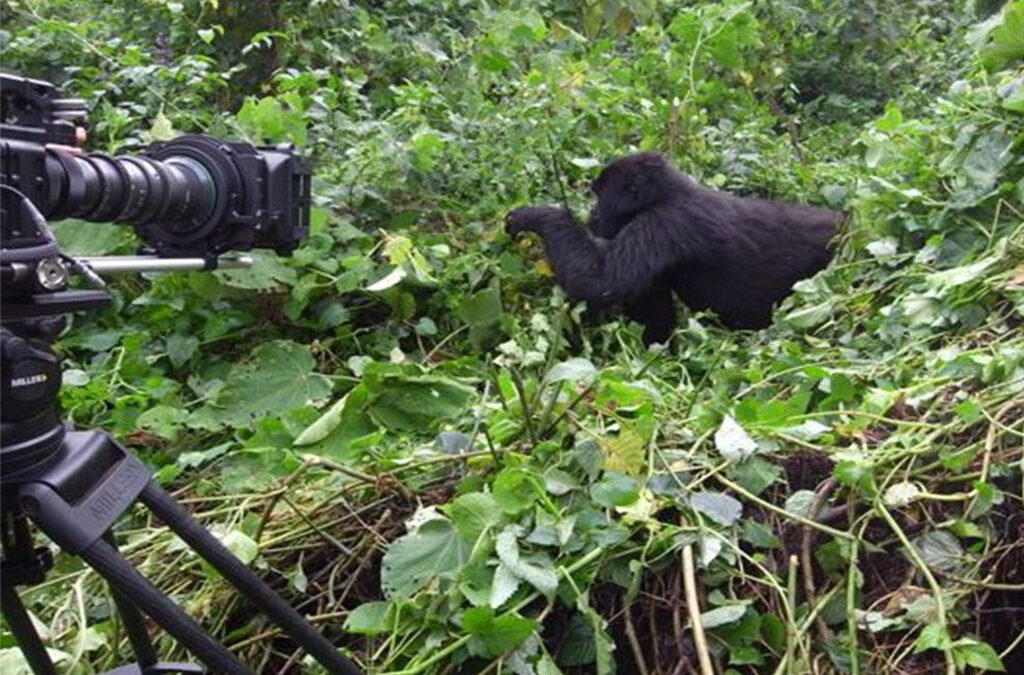
Yes, you need permits for filming in Uganda. These permits help keep media work organized and legal. Every person on the film crew must be accredited. Uganda has clear rules on where and how filming happens. You’ll need media cards, location permits, and paperwork. Each part of the process has steps and fees. National parks, reserves, and other areas have special guidelines. The Uganda Media Council manages the process. They help approve crews and issue cards. Planning well in advance will save you time and stress. The process usually takes a few working days. If you want to film in Uganda, it’s best to follow the right steps from the start.
Accreditation by the Uganda Media Council
The Uganda Media Council approves all filming crews before work begins. This group manages media activities across the country. They check that all film crews follow the law. Every crew member must apply through the Media Council. You’ll need a media card before you start any filming. Without this card, your crew won’t be allowed to work legally. These rules apply to journalists, filmmakers, and production staff. If you’re shooting even short clips, you must go through the same process. Applying early will help you avoid any delays or problems during your trip.
Media Cards for Every Crew Member
Each crew member must have a media card to film legally in Uganda. These cards come at a fee. The cost for a 30-day card is USD 175 per person. If you want to film for 60 days, the cost is USD 225. You must pay this fee for each person on the team. Without a media card, your crew will not receive full filming approval. Authorities may stop your project if your team lacks proper documents. Media cards are checked during the filming process in many locations. Make sure everyone applies early enough to get their card on time.
Location Permits for Filming Areas
Filming in parks, reserves, or city spots needs separate permission. Each filming location requires a special permit. For national parks, contact the Uganda Wildlife Authority for access. For city areas or buildings, ask the city or building owner. Every site has different rules for filming times and crew size. Some places charge extra depending on the type of filming. You must send a request letter to the right office for each site. Include full details about your crew, gear, and project plan. Getting location permits before filming begins will help avoid shutdowns.
Forms and Required Documents
The application needs specific forms and documents from your team. You must fill out Form G for each crew member. You also need to include passport copies and passport-size photos. Add a letter from the production company explaining the film project. The letter must include your crew list and project goals. Your letter must also state the filming dates and all planned locations. Double-check that all details match your permit applications. Missing documents will delay the process and may stop the approval. Keep extra copies of everything in case someone asks to see them.
How Long the Permit Process Takes
The whole process takes two to three working days if all papers are ready. You must submit the correct forms and documents the first time. Delays mostly happen when people forget parts of their application. Always follow up with the Media Council to check the status. Ask questions early if you don’t understand any step. The office is open during normal working hours on weekdays. Plan for holidays or weekends, which may slow things down. Start your application at least one week before filming begins. Early planning helps avoid last-minute stress for the whole crew.