
Meet the IK Tribe in Kidepo’s Mountains
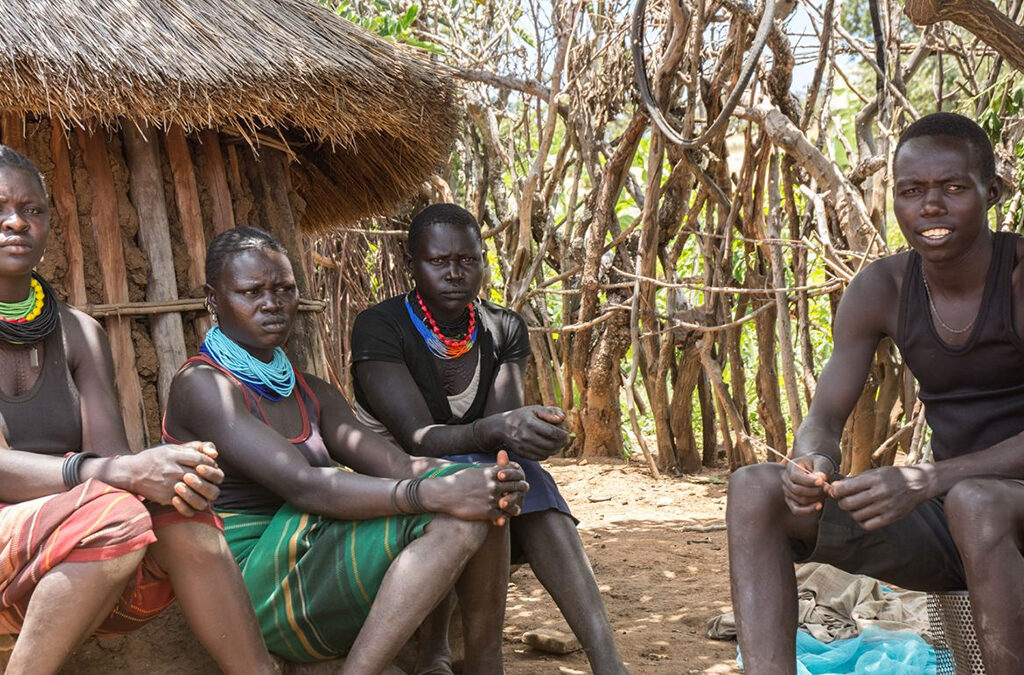
The IK Tribe in Kidepo’s Mountains lives in one of Uganda’s most remote and rocky regions. These mountain people stay in the Morungole Mountains, which stand near Kidepo Valley National Park in the far northeast. Their group includes about 10,000 people who follow old customs passed down for generations. They live simple lives, growing crops, keeping animals, and keeping their culture alive despite hard times. The IK people are one of Uganda’s smallest tribes, yet their traditions remain strong. They have faced hunger, isolation, and attacks from nearby groups. Still, they work hard to survive on the steep hillsides. Tourists visit their village, hike up the mountains, and learn about their way of life. This interest helps their economy and protects their heritage.
Where the IK Live and How They Survive
The IK live deep in the Morungole Mountains, where paths are steep and rocks are everywhere. The area stays dry for months, so farming takes hard work and careful planning. Most families grow millet and sorghum, which they eat and store. They raise goats, which survive the dry land and give milk and meat. Many families also keep bees and sell the honey for extra income.
Life in these hills is not easy, but the IK people have lived here for many years. Their homes sit close together on high slopes where they watch their crops and animals. They walk long distances to fetch water or visit nearby markets. Their daily work starts early and ends when the sun sets. Children often help with farming, goats, or firewood.
Cultural Life and Social Structure
The IK follow customs that make their tribe stand out from others in Uganda. They still follow many traditional ways of life even as the world around them changes. Families are large, and men often marry more than one wife. Polygamy is common and accepted in their community.
In IK culture, children often grow up with their grandparents or in groups with other children. Parents work on the land while grandparents or older siblings watch the little ones. This shared way of raising children creates strong bonds in the community.
When a man wants to marry, he offers a bride price to the woman’s family. Unlike other tribes that want cows, IK families may ask for goats, chickens, or beehives. Money sometimes replaces animals, but the idea stays the same.
Hard Times and Changing Lifestyles
The IK have faced hard times over the years, especially when other tribes raided their villages. These raids forced them to change how they lived and what they depended on. Goats became more important since they are easier to hide and protect than crops or cows.
Beekeeping also became useful because honey brings good money without taking up much space. Their rocky land gives good shelter for bees, and honey does well in local markets. These changes helped them survive even when the rains failed or enemies attacked.
The tribe also struggles with poor health care, few schools, and very rough roads. Getting help from the outside world takes effort and time. Even small changes like better roads or clinics take years to happen.
How Visitors Help the IK
Tourism brings new hope for the IK people by opening doors to money and attention. Some groups now guide travelers on foot up the mountain to meet the IK and see their homes. These visits include songs, dances, and stories that show how the IK live.
When visitors spend time with the tribe, they often buy crafts or pay for food and services. This gives the tribe more ways to earn a living beyond farming or goats. Visitors also learn about their way of life and help spread the word about their needs.
Several groups work with the government to support the IK through schools, health care, and clean water. These projects take time and support, but progress is happening slowly.
A Walk into Culture and Nature
Visiting the IK tribe offers more than just meeting people. It includes hiking, stories, songs, and amazing views. The Morungole Mountains are quiet and green during the wet season and dry and dusty in the dry months. The path winds through narrow trails, small farms, and thick bushes.
Hiking up to meet the IK gives guests a chance to see their daily work and hear their songs. People sit on stones, drink local brews, and dance together as part of the visit. Some visitors help fetch water, join cooking, or watch how honey is collected.
It is not just about looking; it is about doing. That makes the IK visit one of Uganda’s best cultural walks.
Keeping Culture Alive for the Future
The IK fight daily to keep their language and customs strong in a fast-changing world. Some children learn English or Swahili, but they still speak their own language at home. Elders teach songs, stories, and farming tips to younger people.
By staying close to their land and sharing it with guests, the IK protect both nature and culture. Even with few resources, they remain proud of who they are and where they live. They don’t just survive—they stay strong through community and tradition.