
Is Gorilla Trekking Ethical in Uganda?
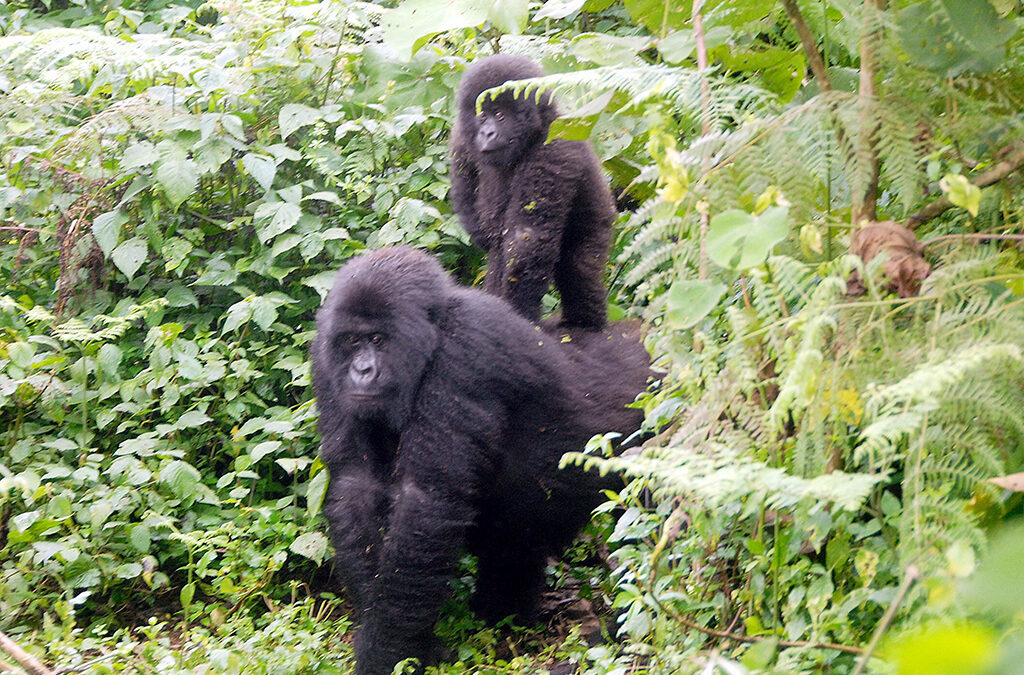
Yes, gorilla trekking in Uganda is ethical when you follow the rules and choose responsible operators. This activity helps protect mountain gorillas and supports the people who live near their habitats. The Uganda Wildlife Authority created rules to guide the experience and protect the animals. Gorilla trekking brings money to conservation work and helps stop poaching. It also gives nearby villages money for schools, clinics, and clean water. Visitors help both nature and people when they act responsibly. The rules limit how close people get to gorillas and how long they stay. Choosing ethical tour companies makes a big difference. When everyone follows the rules, gorilla trekking remains safe, fair, and helpful to both animals and people.
Gorilla Trekking Helps Conservation Efforts
Gorilla trekking supports conservation by bringing money to wildlife protection programs in Uganda. Every trekking permit helps fund work like anti-poaching patrols and forest rangers’ salaries. This money also pays for gorilla research and habitat protection. Scientists study gorilla behavior and health, and their work leads to better care of the forest. Uganda Wildlife Authority uses part of the income to manage national parks and protect endangered species. By visiting, travelers help pay for the work that keeps mountain gorillas alive and safe in the wild.
Local Communities Also Benefit From Gorilla Trekking
Gorilla trekking supports families living near the forest by providing a share of the income from permits. Villages use this money to build schools, hospitals, and clean water systems. Many people now work as guides, porters, rangers, and in lodges. Others sell crafts, food, and local services to visitors. Some communities have set up their own projects with trekking funds, like goat farms and tree nurseries. These changes help reduce poverty and improve daily life. Tourism also helps people value wildlife more because it brings steady income.
Strict Rules Limit Human Contact With Gorillas
To protect gorillas, Uganda has strong rules that keep human contact as low as possible. Only eight people are allowed to visit each gorilla group every day. Visitors may stay for just one hour with the animals. These limits reduce stress on the gorillas and protect their natural behaviors. Rangers lead each group and make sure people follow the rules. Visitors must stay seven meters away and speak in quiet voices during the visit. These actions help the gorillas feel calm and undisturbed during the short meeting.
Tourists Must Respect the Gorillas and the Forest
Respect for gorillas starts with following simple rules during the trek and the visit. People should never shout or run during the trek, even if a gorilla comes close. Loud noises can frighten or anger the animals. Visitors must not use flash on their cameras because it can bother gorillas. Eating or drinking near the animals is not allowed either. These small rules protect both visitors and gorillas from danger and stress. Following these rules keeps the trekking safe and meaningful for everyone involved.
Choosing the Right Tour Operator Matters
Some tour companies care more about money than protecting gorillas or helping people. That is why visitors should book with trusted tour companies that follow park rules. Ethical operators limit group sizes and teach guests how to behave around wildlife. They work with trained guides who care about conservation and local communities. These companies support local jobs and reduce damage to the forest. Before booking, travelers should check reviews and ask questions about the company’s values. Good companies will be open and clear about their work.
Disease Transmission Is a Real Concern
Mountain gorillas are very similar to humans and can get sick from our germs. Even a cold or flu from a visitor can harm or kill a gorilla. That is why visitors must not trek if they feel sick or have a fever. Everyone must wear face masks during the visit to reduce the risk of spreading diseases. Some tour guides also carry hand sanitizer and ask guests to clean their hands often. This extra care helps keep the gorillas safe and healthy in their forest homes.
Even Small Stress Can Harm Gorillas
Gorillas are shy and feel stress when strangers get too close or make loud sounds. Even though they are used to seeing people, they still need peace and quiet. That is why trekking rules limit the number of visitors and the time spent with the gorillas. Some researchers worry that frequent visits might still change gorilla behavior over time. Keeping strict limits and training guides to control group behavior is very important. Visitors must always follow the ranger’s instructions to avoid stressing the animals.
Tourism Also Impacts the Environment
Tourism helps protect forests but may still cause some harm if not managed well. Too many people walking the same trails can wear down the ground and hurt plants. Some travelers leave trash or damage plants without meaning to. That is why everyone should follow “leave no trace” rules in the forest. Visitors should not litter, pick plants, or leave behind any waste. Park rangers often remind guests to stay on marked trails and avoid disturbing animals or trees during the trek.
Gorilla Trekking Requires Careful Planning
To make the trip safe and helpful, visitors must prepare well before their trek. People should pack light, bring reusable water bottles, and avoid plastic packaging. Wearing proper shoes and clothes helps protect the forest trails from damage. Carrying out all trash and food wrappers also helps keep the forest clean. Listening to guides and sticking to the rules shows respect for nature and the animals. With good planning and care, trekkers enjoy the forest while keeping it safe for future visitors.
People Make a Difference with Their Choices
Every visitor has the power to protect gorillas and support local people through careful choices. Picking a good tour company, following rules, and being respectful all help. People should learn about gorillas before they go and understand how their actions matter. Saying no to rule-breakers and supporting eco-friendly companies adds real value to the trip. These small steps make a big impact on both wildlife and local communities. Being thoughtful during the trek shows love and care for the world’s remaining mountain gorillas.