
3-Day Lake Mburo Park Safari: Itinerary & Cost
Quick Answer: How Much Does a 3-Day Lake Mburo Park Safari Cost?
A 3-Day Lake Mburo Park Safari costs $600 to $1,050+ per person for 3 days. That equals $200 to $350+ per person per day when 2 travelers share a vehicle and a room. The price covers a 4×4 safari jeep, a driver-guide, park fees, a game drive, the boat cruise, a guided walk, accommodation and meals. Luxury lodges start at $350 per day and rise depending on the lodge.
What Is the 3-Day Lake Mburo Park Safari?
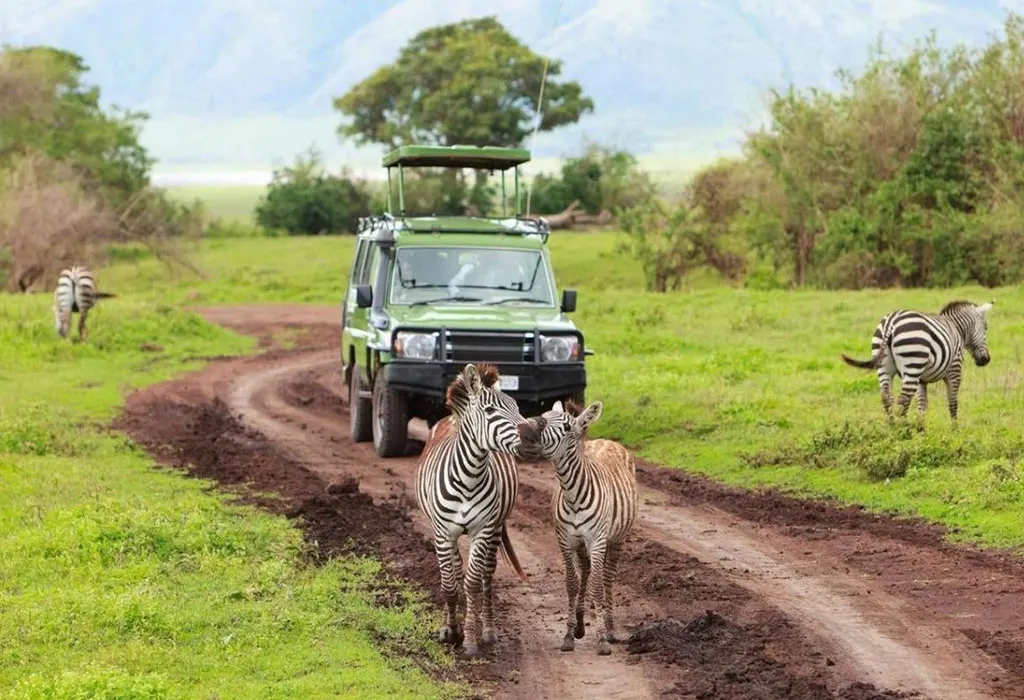
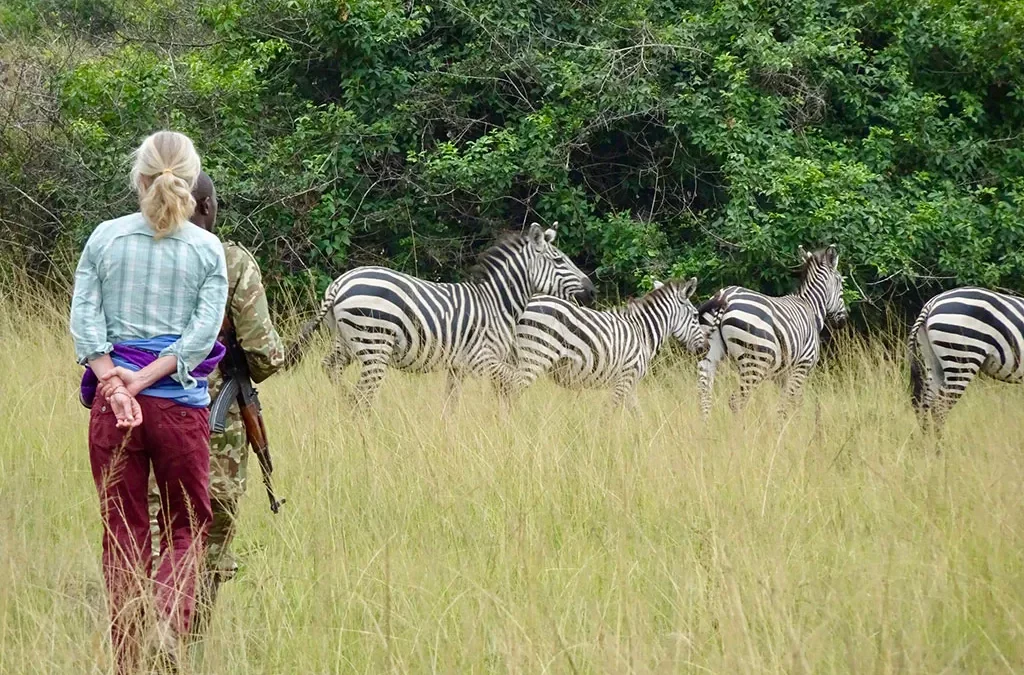
Zebras are a highlight of game drives in Lake Mburo, one of the best places in Uganda to see them.
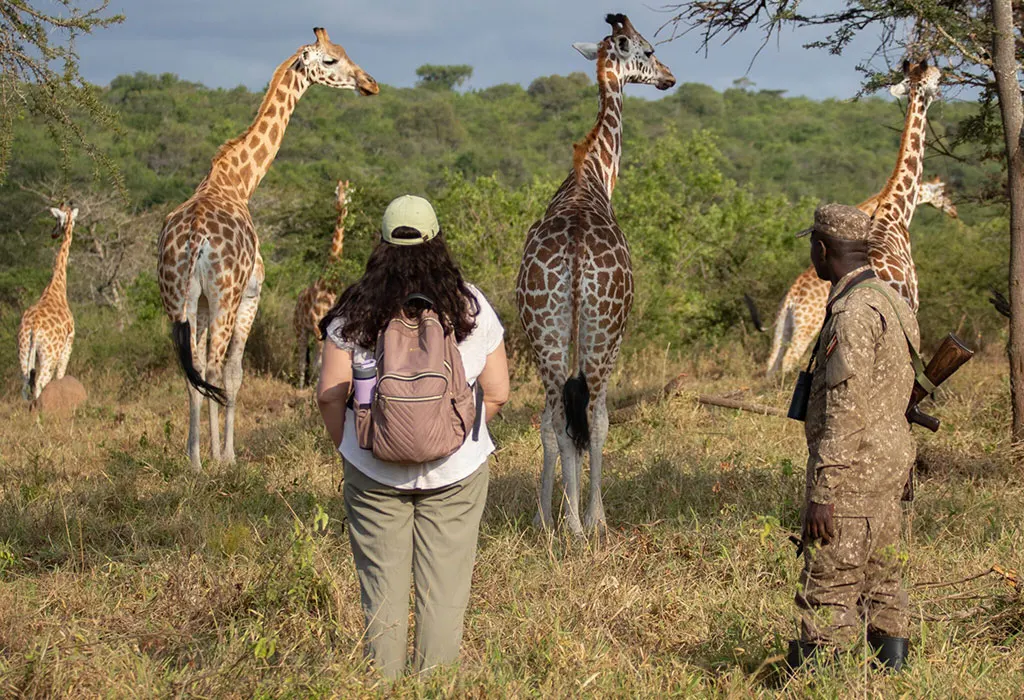
Get up close to giraffes on a guided walking safari with an armed ranger in Lake Mburo National Park
The 3-Day Lake Mburo Park Safari is Uganda’s closest and most relaxed short wildlife trip. Lake Mburo National Park is the smallest savanna park in the country, covering about 370 square kilometers in southwestern Uganda. It lies roughly 230 kilometers from Kampala, so you spend less time driving and more time in the bush.
Lake Mburo offers something the bigger parks do not. You can leave the vehicle and explore on foot, on horseback, by bicycle or by boat. Few parks in Uganda allow this mix of activities, so the safari feels personal and varied.
The park is also the only place in Uganda where you can see impalas. It is one of the few places where you can see zebras and elands, Africa’s largest antelope. You will also meet buffaloes, warthogs, topis, waterbucks, hippos and crocodiles, and the park shelters more than 350 bird species. Leopards live here too, though sightings are rare and depend on luck and patience.
Five lakes lie inside the park, and the wider area holds about a dozen more. Rolling hills, acacia woodland, papyrus swamps and rocky ridges shape the scenery. The landscape is gentle, green and ideal for photography. Long-horned Ankole cattle graze just beyond the park boundary and add a cultural layer to the trip.
A 3-day package suits travelers who want real wildlife without a long commitment. It also works well for families and first-time safari visitors. The price stays far below a longer circuit across several parks.
Detailed 3-Day Lake Mburo Park Safari Itinerary
The schedule below is our standard plan, and we adjust it to your preferences. Timings shift slightly with traffic, weather and wildlife sightings. Your driver-guide reads conditions each day and recommends small changes. Flexibility is one of the main advantages of a private safari over a large group tour.
Day 1: Kampala to Lake Mburo National Park (Drive Time: 4-5 Hours)
Your 3-Day Lake Mburo Park Safari starts at 7:00 AM with a hotel pick-up in Kampala or Entebbe. Your driver-guide arrives punctually, loads your luggage and explains the plan for the day. Leaving early helps you avoid the worst city traffic. It also leaves time for a relaxed afternoon in the park.
The road heads southwest through Mpigi and Masaka. Near Kayabwe you reach the Equator, where you can stop for photos with the famous monument. Stand with one foot in each hemisphere, and watch the water-flow demonstrations that local guides perform. Roadside stalls sell fresh fruit, roasted maize and cold sodas for quick breaks.
Lunch follows in Mbarara, the largest town in the region. Restaurants serve local dishes and familiar international meals. Your guide suggests clean, reliable places that suit different tastes and budgets. If you enjoy culture, you can add an optional visit to the Igongo Cultural Centre, which explains the traditions of the Ankole people.
After lunch the road continues to the park gate, at Nshara or Sanga depending on your lodge. Long-horned Ankole cattle often stand beside the road, and they make striking photographs. The scenery opens into rolling savanna as you approach.
You check in at your lodge and enjoy a short rest. In the late afternoon you head out on your first game drive along the lakeshore tracks. Zebras and impalas appear almost immediately, often within minutes of entering the park. The day ends with a sunset viewpoint, where the light turns the hills gold. Dinner is served at the lodge, and you sleep early.
Day 2: Game Drive, Boat Cruise and Walking Safari
Day 2 is the main event of your 3-Day Lake Mburo Park Safari. Wake-up calls come around 6:00 AM so you can catch animals at their most active, followed by a quick or packed breakfast and coffee from your driver-guide. The morning game drive covers the open plains and acacia woodland around Rwonyo, and the pop-up roof lets you stand and photograph from the vehicle. You will likely see zebras, elands and impalas, which are found nowhere else in Uganda. Topis, waterbucks, buffaloes and warthogs are also common. Spotted hyenas and jackals appear at dawn, while leopards are rarer and need patience and luck.
After a brunch break to rest and sort photos, the afternoon brings a two-hour boat cruise from the Rwonyo jetty. Expect hippo pods, basking crocodiles, buffaloes and antelope along the shore. Birders can spot fish eagles, pelicans, kingfishers and jacanas, and the papyrus fringes may reveal the papyrus gonolek or the elusive African finfoot. If you still have energy, join a guided walking safari with a ranger to see animals at eye level. Dinner is served at the lodge, and an optional night game drive reveals hyenas, genets, bush babies and nightjars.
Day 3: Return to Kampala (Drive Time: 4-5 Hours)
Day 3 begins with an optional sunrise game drive or a short nature walk. Breakfast and checkout follow. Pack your bags early, since the drive back to Kampala takes most of the day. The vehicle leaves mid-morning, so your arrival time stays comfortable.
The return drive includes a lunch stop in Mbarara or Masaka. You can stop for craft shopping, fresh produce or photos at the Equator monument. If you skipped the cultural visit on Day 1, you can add it on the way back. You arrive in Kampala or Entebbe between 4:00 and 6:00 PM.
If you have an evening flight, tell us in advance so we can adjust the timing. We usually recommend at least 4 hours between arrival and departure. Traffic around Kampala can be unpredictable, especially on weekday evenings. A safe buffer protects you from missing international connections.
How Much Does a 3-Day Lake Mburo Park Safari Cost?
The cost of a 3-Day Lake Mburo Park Safari depends on group size, lodge level and season. Our prices range from $200 to $350+ per person per day. This works out to $600 to $1,050+ for the full trip. Sharing a vehicle with more travelers lowers the individual price noticeably.
The breakdown below shows typical rates for 2 people traveling together:
- Budget safari, $600 per person ($200 per day): This option uses a budget lodge such as Rwakobo Rock or Arcadia Cottages and a shared 4×4 safari jeep. Rooms are clean and comfortable, with simple meals and friendly service. It suits backpackers, students and anyone who wants wildlife without luxury. You still enjoy the game drive, the boat cruise and a guided walk.
- Mid-range safari, $750 to $900 per person ($250 to $300 per day): Mid-range travelers stay at lodges such as Mantana Tented Camp or Lake Mburo Safari Lodge. Rooms offer better views, nicer dining and added amenities like swimming pools. Vehicles are the same well-maintained 4×4 jeeps with pop-up roofs. This tier balances comfort and cost better than any other.
- Luxury safari, $1,050+ per person ($350+ per day): Luxury guests stay at Mihingo Lodge or Emburara Farm Lodge. These properties add private decks, fine dining, spa services and special activities to the standard package. The final price rises above $350 per day depending on the lodge and room type. It suits honeymooners, anniversaries and travelers who value comfort above all.
What the Safari Price Includes
Every 3-Day Lake Mburo Park Safari price covers the essentials listed below:
- Park entrance fees: Fees are $40 per day for each foreign non-resident adult, and $20 for children aged 5 to 15. They are paid to the Uganda Wildlife Authority and are already part of the quoted price. Fees may change with official updates, so we confirm current rates when you book. You never pay surprise charges at the gate.
- Game drive, boat cruise and guided walk: The game drive, the boat cruise and a ranger-led nature walk are included. The boat fee covers a guide on the launch. No extra tickets are required during the safari.
- Transport and driver-guide: You travel in a 4×4 safari jeep with a pop-up roof and window seats for everyone. Your driver-guide is licensed, experienced and fluent in English. Fuel, vehicle maintenance, parking and vehicle entry fees are covered. The same guide stays with you for the entire trip.
- Accommodation and meals: 2 nights of lodging are included, along with meals at the lodge. The exact meal plan depends on the lodge you choose. Bottled water is provided in the vehicle every day. Special diets can be arranged when requested in advance.
- Optional extras: Night game drives, horseback safaris, cycling, sport fishing and cultural visits are not part of the standard price. Tell us when booking, and we add the fees to your quote.
What the Safari Price Excludes
A few items are not part of the standard price. International flights to Entebbe are booked separately, and so is your Uganda visa. Tips for guides and lodge staff are optional but appreciated. Drinks beyond bottled water, laundry and personal shopping are also excluded, except where a luxury lodge includes them.
Travel insurance is strongly recommended and is not included in any package. A good policy covers medical care, evacuation, cancellations and lost luggage. Buy it when you book your flights, not later. Coverage should explicitly include safari activities and travel in Uganda.
What Affects the Cost of Your Safari?
Group size is the biggest factor, because vehicle and guide costs are shared. A solo traveler pays more per person than a group of 4. Traveling with friends or family is the simplest way to reduce costs. Season and lodge location also change the final price noticeably.
Dry-season months are busier, and lodges charge higher rates. The low season offers discounts, fewer crowds and sometimes upgraded rooms. Lodges inside the park save travel time but sell out early. Properties outside the gates are cheaper, yet they add transfer time to each day.
Extra activities add to the total. Options include a night game drive, horseback riding, cycling, sport fishing or a cultural visit. Private vehicles with guaranteed window seats also cost more than shared departures. We quote every extra clearly so you can decide before you travel.
Activities You Can Add to Your Lake Mburo Safari
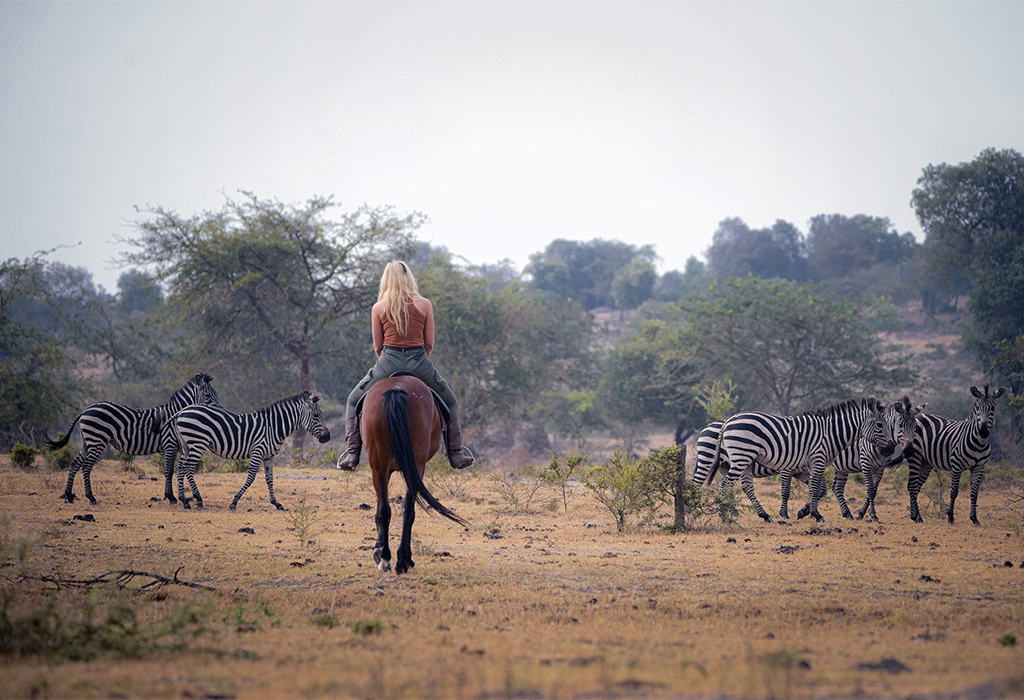
Horseback Safaris in Lake Mburo National Park
Lake Mburo stands out because you can leave the vehicle. These add-ons turn a short trip into a varied adventure:
- Horseback safari: Ride alongside zebras, impalas and giraffe-height acacias, something almost no other Ugandan park allows. Riders of all levels are catered for at selected lodges.
- Night game drive: Spotlights reveal hyenas, genets, bush babies and nightjars after dark.
- Guided cycling: Ride designated trails with a ranger for a quiet, close-up wildlife experience.
- Sport fishing: Catch tilapia and other fish in the lake under a permit from the park.
- Cultural visit: Meet Bahima herders, hear about Ankole cattle traditions and taste local milk dishes.
Where to Stay on a 3-Day Lake Mburo Park Safari
Lodge choice shapes your experience as much as the wildlife does. Lake Mburo has properties in every price range, from simple bandas to hilltop suites. Some sit inside the park near the main tracks. Others are just outside the gates with views over the plains.
Budget Lodges: Rwakobo Rock and Arcadia Cottages
Rwakobo Rock and Arcadia Cottages offer clean rooms, hot meals and friendly staff at modest prices. Facilities are simple, yet they provide everything needed for a comfortable night. Many have open terraces where guests swap stories and watch zebras at sunset. Budget options suit travelers who spend most of the day outdoors anyway.
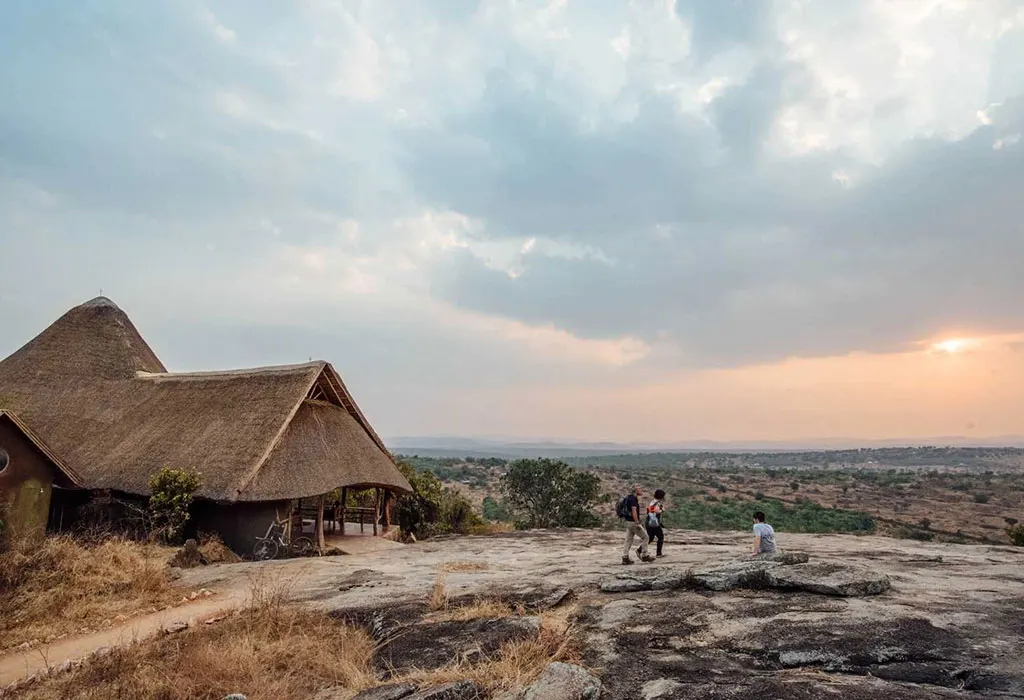
Rwakobo Rock Lodge sits on a rocky hilltop with sweeping sunset views over Lake Mburo’s savannah.
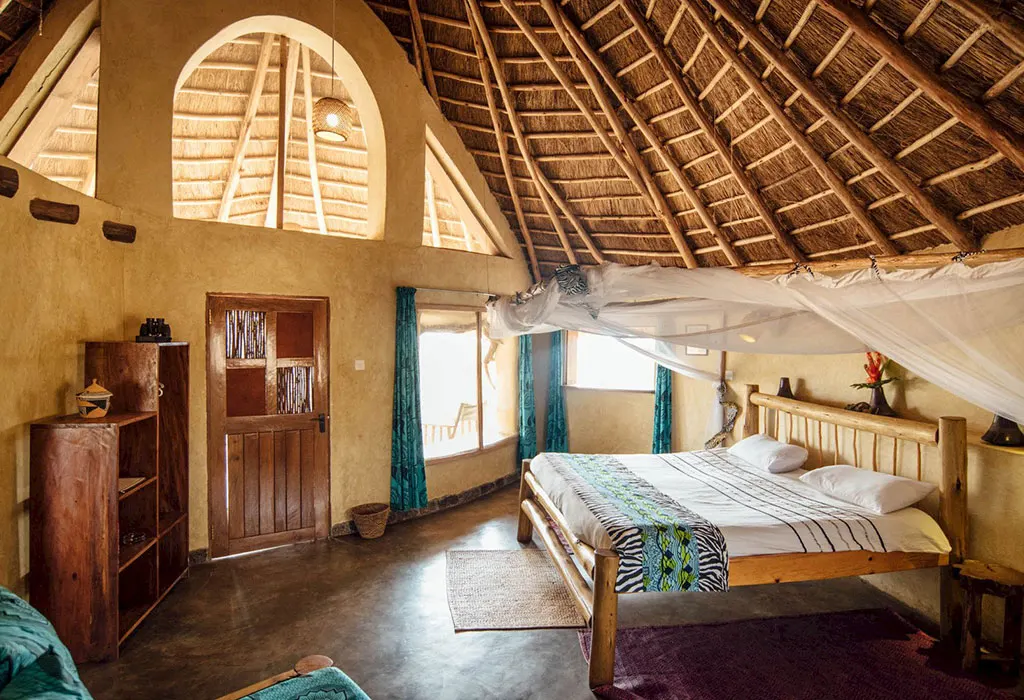
Rooms at Rwakobo Rock blend natural materials, thatch and earthy décor with a warm, eco-lodge feel.
Mid-Range Lodges: Mantana Tented Camp and Lake Mburo Safari Lodge
Mantana Tented Camp and Lake Mburo Safari Lodge give you better views, larger rooms and more dining choices. Some have swimming pools, which feel wonderful after a dusty game drive. Staff arrange early breakfasts, packed lunches and laundry services. These lodges are popular with couples, families and small groups.
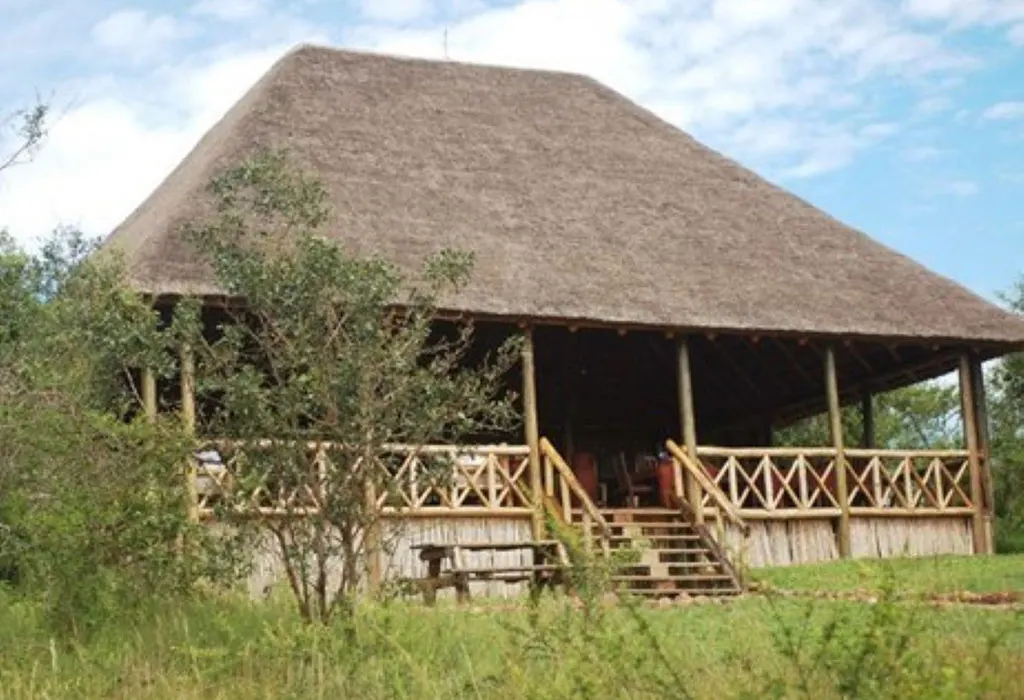
Mantana Tented Camp’s main lodge offers a shaded, open veranda in the heart of the bush.
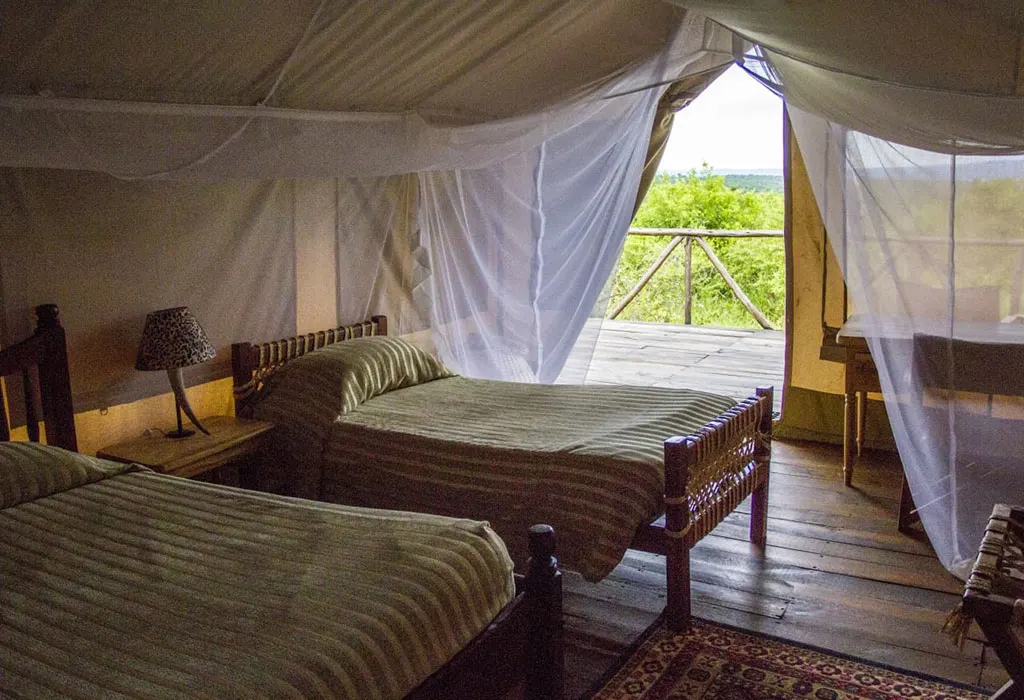
Twin tented rooms at Mantana Camp open onto private decks with views across the park.
Luxury Lodges: Mihingo Lodge and Emburara Farm Lodge
Mihingo Lodge and Emburara Farm Lodge sit at the top of the Lake Mburo market. They offer elegant rooms, private decks, pools and attentive personal service throughout your stay. Guests often watch zebras and antelope from their verandas at sunset. Luxury lodges suit honeymooners and celebration trips, and they book out early during the dry season. Inclusions vary by lodge and room type, so we confirm the exact list in your quote.
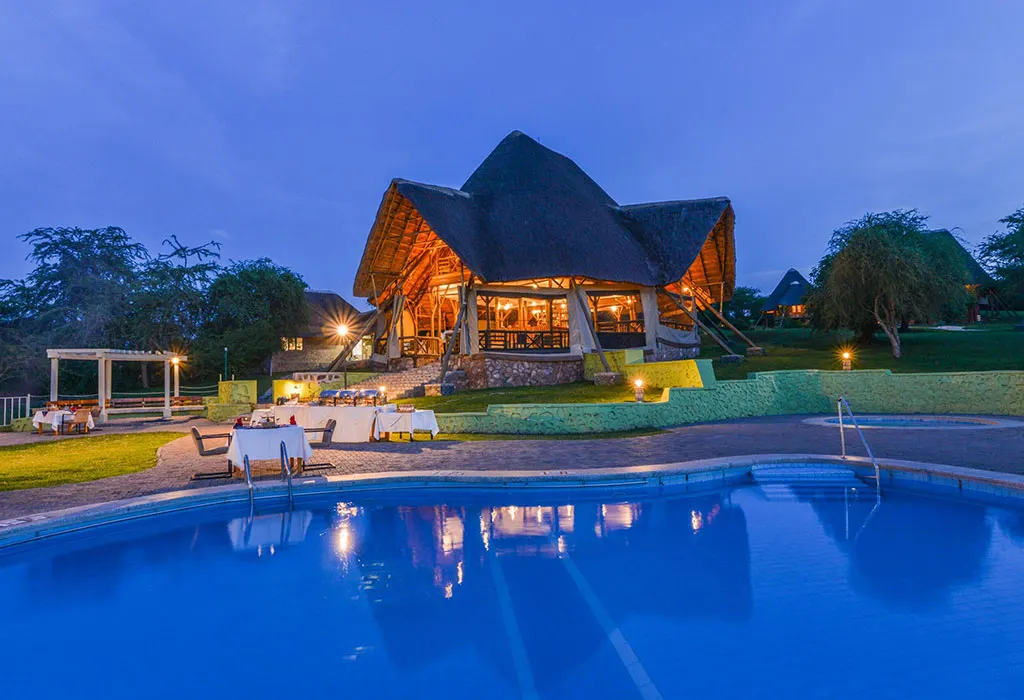
Unwind by the pool at Kigambira Safari Lodge after a day of game viewing.
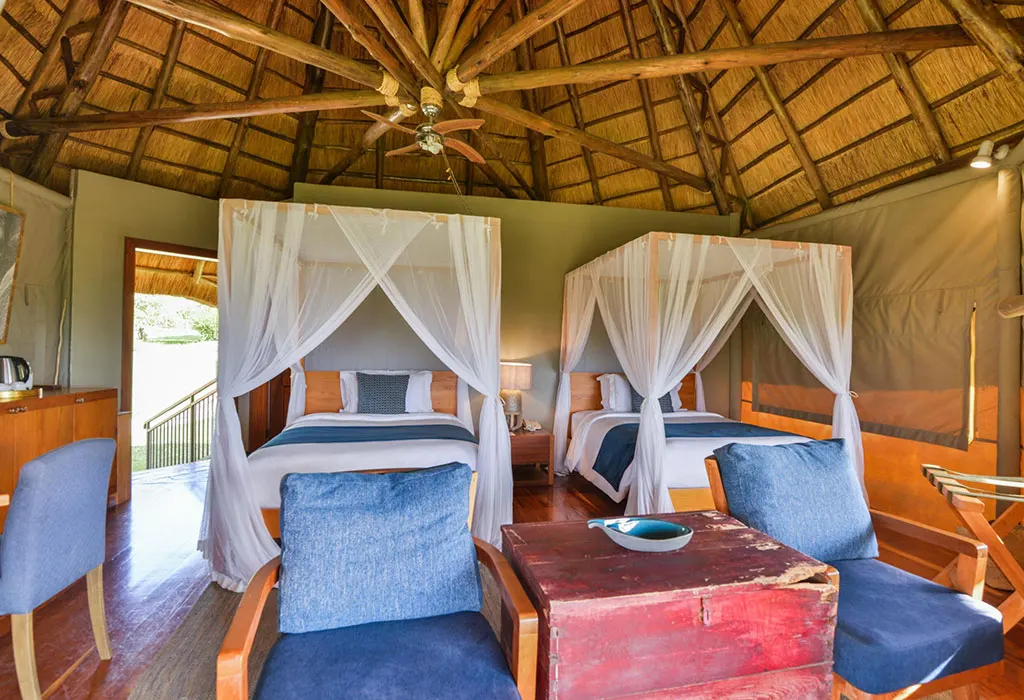
Deluxe twin rooms at Kigambira Safari Lodge combine canvas walls, thatch and comfortable modern furnishings
Best Time for a 3-Day Lake Mburo Park Safari
The best time for a 3-Day Lake Mburo Park Safari is the dry season. That period runs from June to August and again from December to February. Animals gather near the lakes to drink, so game drives become easier and more rewarding. Roads are also firmer, which makes travel smoother and faster.
Dry Season: June to August and December to February
During these months the grass is shorter, and animals stay visible along the lakeshores. Rain is rare, so your drives and cruises proceed without interruption. Dust can be an issue, so keep camera gear covered. Lodge prices are highest now, and popular places sell out weeks ahead.
Low Season: March to May and September to November
The low season brings heavier rain and lush green scenery. Birdlife is spectacular, because migratory species arrive and resident birds start breeding. Prices drop, lodges are quieter and crowds are thin. Some tracks become muddy, but experienced drivers handle them calmly in 4×4 vehicles.
Birdwatching on Your Safari
Lake Mburo is one of Uganda’s most rewarding birding destinations, with more than 350 recorded species. Even casual visitors enjoy the colorful birds lining the lakeshores. Serious birders can add dozens of species to their life lists in a single day. The boat cruise and the papyrus swamps are usually the most productive places.
The African finfoot is the most sought-after resident, a shy water bird that hides along the lake’s edge. Other notable birds include the papyrus gonolek, the red-faced barbet, the rufous-bellied heron and the crested crane. The shoebill stork appears in the swamps very rarely, so treat it as a bonus rather than an expectation.
Bring binoculars and a simple bird checklist if you are interested. Your guide knows many calls and can identify species quickly. Early mornings and late afternoons give the best activity. If birding is your priority, tell us when booking so we can shape the plan.
Getting to Lake Mburo: Road Transfer or Flight
Most travelers reach Lake Mburo by road from Kampala or Entebbe. The drive takes 4-5 hours, and optional stops add extra time. The road is paved all the way to Mbarara, with a short stretch of rougher track near the park. A 4×4 safari jeep handles the final kilometers comfortably and keeps passengers safe.
Domestic flights exist for some routes in Uganda, but the short distance makes driving the practical choice here. A road trip has its own rewards. You cross the Equator, see rural Uganda and meet local people. For most guests on a 3-Day Lake Mburo Park Safari, the drive feels like part of the adventure.
Visas, Permits and Health Requirements
Most visitors need a visa to enter Uganda, and the easiest route is the official online e-visa system. Apply at least 2 weeks before you travel, so approval arrives comfortably. Your passport should remain valid for at least 6 months. Always check current requirements with official government sources before booking flights.
A yellow fever vaccination certificate is required for entry to Uganda. Carry the original card, because airlines and immigration officers may ask to see it. Consult a travel doctor about other vaccines and malaria prevention. Doctors usually advise antimalarial tablets for visits to Lake Mburo.
Park permits and entrance fees are handled by your safari operator and included in the price. You do not need to queue at the gate or carry large amounts of cash. Bring a copy of your passport for identification. Keep original documents safe in the lodge.
What to Pack for Your 3-Day Lake Mburo Park Safari
Pack light and choose clothing that works in warm weather and cool mornings. Neutral colors such as khaki, olive and beige blend into the landscape. Avoid bright colors and dark blue, since they can attract insects. Soft-sided bags fit more easily into the safari vehicle than hard suitcases.
Essential items for your bag include:
- Clothing: Bring lightweight long-sleeved shirts, comfortable trousers and a warm fleece for early mornings. Add a hat, sunglasses and a rain jacket for unexpected showers. Closed shoes with good grip are vital for the walking safari. Sandals or flip-flops are perfect for relaxing at the lodge.
- Health and protection items: Pack sunscreen, insect repellent, hand sanitizer and any personal medications. Bring antimalarial tablets prescribed by your doctor. A small first-aid kit handles minor scrapes and blisters. Reusable water bottles help reduce plastic waste during the trip.
- Photography and gear: A camera with a good zoom lens makes wildlife photos far better. Bring spare batteries, memory cards and a power bank. Binoculars improve every game drive and every boat cruise. A dust cover or simple plastic bag protects equipment on dry, dusty tracks.
- Documents and money: Carry your passport, visa, vaccination card and travel insurance details. Bring small US dollar bills in recent editions for tips and souvenirs. Some lodges accept cards, but connectivity is unreliable. Keep valuables in a lockable bag or the lodge safe.
Safari Tips for First-Time Visitors
Start each day early, because animals are most active at dawn. Bring a light snack for the morning drive, since breakfast may come later. Keep noise low inside the vehicle to avoid disturbing wildlife. Listen to your guide, who reads animal behavior better than any visitor can.
Stay inside the vehicle during game drives unless your guide says otherwise. On foot, walk in single file behind the ranger and keep your voice down. Wild animals are unpredictable, and respecting distance keeps everyone safe. Never feed wildlife or throw items from the window.
Drink plenty of water and use sun protection even on cloudy days. The equatorial sun is strong, and the breeze on the lake adds to the effect. Be patient rather than demanding specific sightings, since some of the best moments come from small behaviors. Ask your guide questions throughout the day.
Photography Tips for Lake Mburo
Wildlife photography rewards preparation and patience. Shoot in the golden hours of early morning and late afternoon, when light is soft and warm. Use a fast shutter speed for moving animals, ideally 1/1000 second or quicker. A bean bag on the window ledge steadies your lens better than a tripod.
Zebras are among the easiest and most photogenic subjects in the park. Frame a herd against the acacias for a classic savanna shot. Impalas leaping across the track make dramatic action images, so keep your camera ready.
On the boat, a zoom lens between 70 and 300 millimeters works well. Hippos, birds and crocodiles appear at varying distances. Keep your settings simple so you can react quickly. Always review your photos at the lodge and delete weaker shots to free up space.
Responsible and Sustainable Travel
Safari tourism supports conservation, but only when done responsibly. Park fees fund ranger patrols, anti-poaching work and community programs. Choosing a local operator keeps more money in Uganda. Your visit directly helps protect species like zebras, impalas and leopards.
Reduce your footprint by carrying a reusable bottle and declining single-use plastics. Stay on designated tracks so vegetation and habitats remain undamaged. Keep a respectful distance from animals and never disturb nests or young. Support local communities by buying crafts from cooperatives and tipping guides and lodge staff fairly.
Extending Your Safari Beyond 3 Days
Many guests love Lake Mburo so much that they extend the trip. Adding a 4th day allows a visit to the Igongo Cultural Centre, a longer horseback safari or a relaxed day of birding. Others use the extra time to add a night game drive.
Lake Mburo also works as the perfect first stop on a longer southwestern circuit. A 5- or 6-day itinerary can add Queen Elizabeth National Park, with tree-climbing lions and Kazinga Channel boat cruises. You can also continue to Bwindi Impenetrable Forest for gorilla trekking. That option needs more days and advance permits, which sell out quickly in the dry season. Speak to us early so we can build a balanced itinerary around permit availability.
How to Book Your 3-Day Lake Mburo Park Safari
Iconic Africa Safaris offers three simple, reliable ways to secure your next unforgettable Ugandan adventure today. Simply complete our quick online booking form to start planning your dream safari experience right away. Our friendly team also welcomes direct emails at info@iconicafricasafaris.com to discuss your specific travel plans and preferences. For WhatsApp messages and calls, tap the green WhatsApp icon in your screen’s bottom right corner anytime.
Why Book Your 3-Day Lake Mburo Park Safari With Us?
Iconic Africa Safaris is a local Ugandan tour operator based in Kampala. We run private 3-Day Lake Mburo Park Safari tours every day of the week. Our team lives and works in Uganda, so we know the roads, lodges and seasons intimately. You deal directly with people who care about your trip.
Our 4×4 safari vehicles are regularly serviced and fitted with pop-up roofs and window seats. Each vehicle carries bottled water, a first-aid kit and charging points. Drivers are licensed and trained in safe, considerate driving. Our guides know the park’s best tracks, walking trails and birding hotspots.
We keep pricing honest, with no hidden costs and no last-minute surprises. Custom itineraries, dietary needs and special occasions are handled with care. We also encourage responsible travel that benefits local communities. Contact us today for a customized quote for your 3-Day Lake Mburo Park Safari.
Frequently Asked Questions About the 3-Day Lake Mburo Park Safari
How much does a Lake Mburo safari cost?
A standard Lake Mburo safari costs between $200 and $350+ per person per day. The total for a 3-day trip is therefore $600 to $1,050+ per person. Prices depend on the lodge you choose, the season and the size of your group. Larger groups pay less per person because transport costs are shared.
What is the best time to visit Lake Mburo National Park?
The best time to visit Lake Mburo National Park is the dry season. That means June to August and December to February. Animals gather near the lakes, roads stay firm and skies are mostly clear. The wetter months offer cheaper rates and beautiful birding, but some tracks become muddy.
What animals can you see in Lake Mburo?
You can see zebras, impalas, elands, topis, waterbucks, buffaloes, warthogs, hippos and crocodiles. Leopards and hyenas appear occasionally. Lions and elephants are not resident in the park. More than 350 bird species live here, including the African finfoot and the papyrus gonolek.
How long is the drive from Kampala to Lake Mburo?
The drive from Kampala to Lake Mburo takes 4-5 hours by road. This includes normal traffic but not longer stops for lunch or the Equator. Most safaris start at 7:00 AM so you reach the park with daylight to spare. The road is paved as far as Mbarara, and a 4×4 handles the final stretch well.
Is a 3-day safari enough for Lake Mburo?
3 days is more than enough to see the main highlights of Lake Mburo National Park. You enjoy 1 full day inside the park with a game drive, boat cruise and walking safari. A 4th day lets you add horseback riding or a cultural visit. Many travelers also use Lake Mburo as a stop on the way to Bwindi or Queen Elizabeth.
What is included in a 3-day Lake Mburo safari from Kampala?
A 3-day Lake Mburo safari from Kampala includes transport in a 4×4 jeep with a driver-guide. It covers park entrance fees, the game drive, the boat cruise and a guided walk. 2 nights of accommodation and meals are also included, plus bottled water. Flights, visas, tips, personal drinks and optional extras such as horseback riding or a night drive are excluded from the price.
Can I do a budget 3-day Lake Mburo safari?
Yes, a budget 3-day Lake Mburo safari costs around $600 per person for 2 travelers sharing. It uses budget lodges such as Rwakobo Rock or Arcadia Cottages and a shared safari vehicle. You still enjoy the game drive, boat cruise and walking safari. Travelers who share with larger groups can reduce the cost further.
Can I see lions or elephants at Lake Mburo?
No, lions and elephants are not resident in Lake Mburo National Park. The park’s strengths are its zebras, impalas, elands, hippos and birdlife. It is also one of the few Ugandan parks where you can explore on foot, by bike or on horseback. Travelers who want lions and elephants can combine Lake Mburo with Queen Elizabeth or Murchison Falls.
Can I go horseback riding at Lake Mburo?
Yes, horseback safaris are offered through selected lodges, and they are a signature Lake Mburo experience. You ride close to zebras, impalas and other plains game without the barrier of a vehicle. Riders of different levels are catered for. The activity is an optional extra, so tell us when booking.
Is the Lake Mburo boat cruise worth it?
The Lake Mburo boat cruise is absolutely worth it, and many guests call it their favorite activity. The 2-hour trip takes you close to hippos, crocodiles and dozens of bird species. The papyrus fringes hold special birds such as the papyrus gonolek. The cruise is included in our 3-Day Lake Mburo Park Safari price.
Can I see leopards on a 3-day Lake Mburo safari?
Leopards live in the park, but sightings are rare and depend on luck, timing and patient guides. A night game drive or an early-morning drive gives the best chance. No operator can guarantee sightings, but our guides use experience and ranger contacts to improve your odds.
What should I wear on a Lake Mburo safari?
Wear lightweight, neutral-colored clothing such as khaki, olive or beige. Bring a warm layer for cool mornings and a rain jacket for sudden showers. Closed shoes with good grip are important for the walking safari. Add a hat, sunglasses, sunscreen and insect repellent for comfort and protection.
Do I need a visa and vaccinations for a Lake Mburo safari?
Most travelers need a Uganda visa, which you can apply for through the official e-visa system. A yellow fever vaccination certificate is required for entry to the country. Your doctor may also recommend malaria tablets and other routine vaccines. Always check current rules with official sources before you travel.
Related Tour Packages
| Tour Packages | Duration |
|---|---|
| 5 Days Lake Mburo & Kibale Forest Safari | 5 Days |
| 3 Days Big 5 and Game Drive Safari | 3 Days |
| 3 Day Uganda Savannah Birding Safari | 3 Days |
| 5 Days Uganda Savannah Birding Safari | 5 Days |
| 7 Days Uganda Discovery Safari | 7 Days |
| 5 Days Gorillas and Game Safari | 5 Days |
| 4 Day Luxury Gorilla Trekking and Lake Bunyonyi Tour | 4 Days |