
10 Days Gorilla Trekking and Kidepo Wildlife Safari
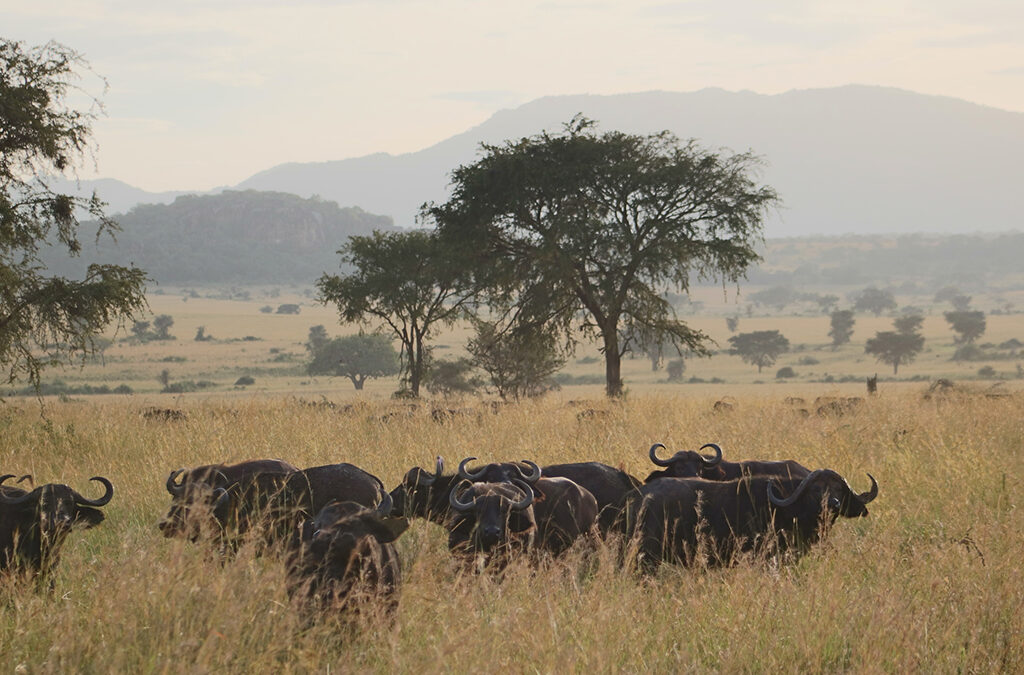
10 Days Gorilla Trekking and Kidepo Wildlife Safari will take you through remote parks with majestic wildlife and awe. You will travel in a sturdy 4×4 vehicle over dusty tracks through vast savannah plains and rocky hills. You will meet local pastoral communities and learn about their daily routines and rich culture. You will view lions, elephants, giraffes, and other species roaming open grasslands at dawn light. You will enjoy bird watching near seasonal rivers where colourful species gather to drink and bathe joyfully. You will cross into dense forest zones where chimpanzees and other primates swing through tall canopy branches overhead. You will end this journey with a close encounter with mountain gorillas deep in misty forest valleys at sunrise.
Days 1-3: Kidepo National Park Safari
The safari starts with three days in Kidepo Valley National Park. You go on game drives to see animals like lions, elephants, giraffes, and cheetahs. Kidepo has many wild animals not found in other parks. The park’s remote location means fewer visitors and more peaceful wildlife encounters. You also visit Manyattas, the traditional homes of the local Karamojong people. This visit shows their customs and way of life. Guides explain the culture and the environment. You enjoy the quiet wilderness and watch animals in open savannah and rocky hills. This part of the safari gives a good start with exciting wildlife and cultural insight.
Days 4-6: Murchison Falls National Park (Optional)
Next, you travel to Murchison Falls National Park for up to three days. This stop is optional but adds more variety. The park offers different animals and stunning river views. You drive on game safaris to spot elephants, buffaloes, hippos, and many birds. Boat rides on the Nile River take you near the powerful Murchison Falls. The sight of water crashing through a narrow gorge is very impressive. You may also enjoy bird watching along the riverbanks. This park has a mix of river and savannah landscapes. It gives a change of scenery before heading to the forests and mountains. The experience feels peaceful and full of natural wonders.
Day 7: Kibale Forest National Park (Optional)
The next stop, for one day, is Kibale Forest National Park. This park is famous for chimpanzee tracking and nature walks. You walk through lush green forest trails looking for chimpanzees. Guides teach about forest plants and animals you see. The sounds of the forest and the chimpanzees make this a special experience. You may spot other monkeys and birds while walking. The forest feels calm but full of life. This stop adds a primate tracking experience different from gorilla trekking. It also gives a break from open savannah and mountain views. The day is short but packed with interesting wildlife and forest exploration.
Days 8-10: Gorilla Trekking in Bwindi Impenetrable National Park
The final part of the safari focuses on gorilla trekking in Bwindi Impenetrable National Park. This forest is home to many mountain gorillas, one of the world’s rarest animals. On day eight, you attend a briefing to learn about the rules and safety during the trek. The actual trekking takes place on days nine and ten. The walk involves hiking through dense forest and steep trails. It can take several hours to find the gorillas, depending on their location. When you find a group, you spend one hour observing them quietly. The experience shows gorillas in their natural habitat, interacting and feeding. Guides ensure your safety and protect the gorillas. This part of the trip is physically demanding but very rewarding.
Day 10: Return to Kampala
After gorilla trekking, you head back to Kampala on day ten. The drive offers chances to see rural villages and farmland along the way. You may stop for short visits if time allows. Arriving in Kampala, you can rest or prepare for your next travel. This journey completes the mix of wildlife, primates, and cultural experiences. It offers a full view of Uganda’s diverse nature and people. The trip’s ending brings a calm moment after many exciting days.
Gorilla Trekking Permits
Gorilla trekking requires a special permit that costs about $800 per person. These permits help protect the gorillas and fund conservation efforts. It is important to book permits early since they sell out fast. The permits allow only a few people to visit gorillas each day. This rule keeps the gorillas safe and reduces stress. Visitors must follow strict rules like keeping distance and not touching gorillas. The permit cost may seem high but supports the long-term survival of the gorillas. It also funds park management and local communities.
Fitness and Physical Requirements
Gorilla trekking requires good physical fitness. The hike goes through uneven forest trails with some steep parts. You may walk for three to six hours in one trek. The weather can be humid or rainy, making trails slippery. You should wear comfortable shoes and bring water and snacks. Walking sticks help balance and reduce strain on knees. People with health problems should consult doctors before booking. While not a race, the trek demands steady pace and strength. Guides offer help and adjust speed for group safety. Preparing well improves the chance to enjoy the trek fully.
Best Time to Visit for Gorilla Trekking
The dry seasons from June to September and December to February suit gorilla trekking best. During these months, trails are less muddy and easier to walk. Wildlife also moves more freely in dry weather. The dry periods have fewer mosquitoes and better visibility. Rainy seasons make hiking difficult and less comfortable. Some activities like boat rides may be limited during heavy rains. Booking trips in dry months reduces risks of cancellations. However, Bwindi offers gorilla trekking all year round. Visitors should prepare for changing weather by packing rain gear and warm clothes.
Accommodation Options
You find a range of places to stay in each park. Options vary from budget lodges to luxury resorts. In Kidepo, many camps and lodges blend with the environment. Murchison Falls offers riverside lodges and tented camps. Kibale has forest lodges close to chimpanzee trails. Bwindi features lodges with views over the forest and gorilla habitats. Some lodges provide full board with meals and guides. Others offer simple rooms with basic services. Booking early helps secure your preferred choice. Staying close to park entrances reduces travel time for activities. Comfortable accommodation adds to the overall safari experience.
Transportation and Travel Tips
A 4×4 vehicle is the best choice for driving in Kidepo due to rough roads. The park’s remote location makes sturdy cars necessary. In other parks, regular vehicles often work well. Transfers between parks take several hours by road. Some roads are bumpy and may slow down travel. You should plan enough time between activities to avoid rushing. Private drivers and guides offer flexible schedules and local knowledge. Flights may be available between some parks but add cost. Carry snacks, water, and a first aid kit during long drives. Traveling with experienced guides ensures safety and smooth trips.
Budget Considerations
The total cost depends on your choice of accommodation, transport, and activities. Gorilla trekking permits form the biggest single expense. Other costs include park fees, meals, vehicle hire, and guide fees. Budget travelers choose simple lodges and shared transport to reduce costs. Luxury travelers enjoy private vehicles, upscale lodges, and extra activities. Booking early may secure better rates on permits and accommodation. Group tours can lower per-person expenses.